
 2 hours ago
1
By Felicia Imohimi
Stakeholders in the agricultural sector are working to ensure fertiliser recommendations reflect local soil conditions to improve nutrient-use efficiency and strengthen food security.
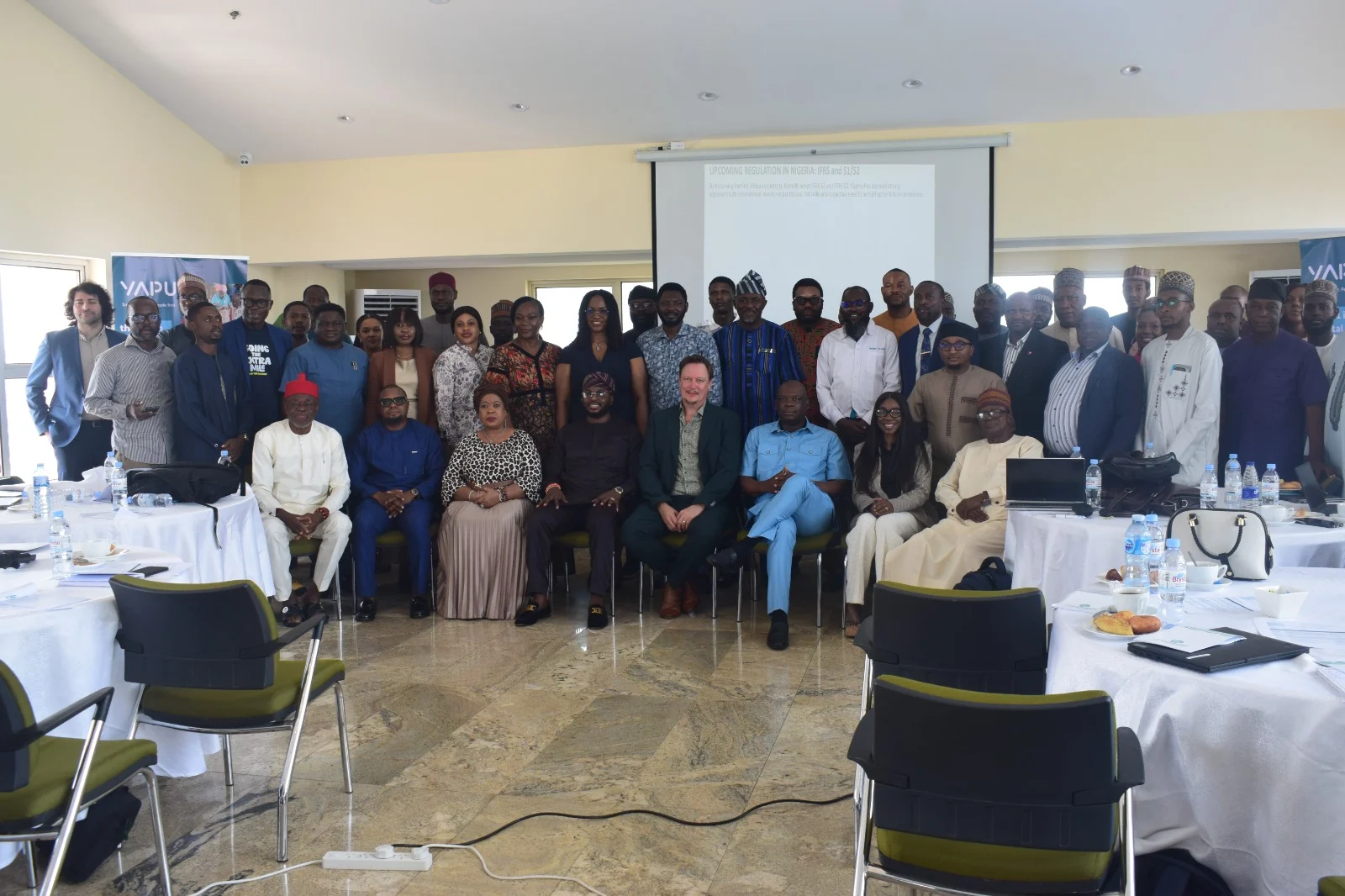
The stakeholders, including researchers, policymakers, fertiliser manufacturers, regulators, development partners and farmers’ representatives, made the commitment at the Nigeria Fertiliser Summit 2026 in Abuja on Tuesday.
The summit, themed “Phosphorus and Food Security: Challenges in Food Production Systems in Nigeria”, was organised by the Institute of Agricultural Research and Training (IAR&T) and Obafemi Awolowo University (OAU).
The Fertiliser Producers and Suppliers Association of Nigeria (FEPSAN) and the Federal Ministry of Agriculture and Food Security were co-conveners.
Dr Bello Shehu, Senior Agronomist at the Regional Hub for Fertiliser and Soil Health for West and Sahel, based at the International Institute for Tropical Agriculture (IITA), said phosphorus was essential for root development, crop growth and grain formation.
He said phosphorus availability varied according to soil properties, farming practices and local growing conditions.
Shehu said the challenge was not simply to increase fertiliser use but to ensure farmers had access to suitable products and reliable guidance on where, when and how much to apply.
Citing the hub’s 2025 site-specific nutrient recommendation results for maize and rice in northern Nigeria, he said phosphorus requirements ranged from zero to more than 60 kilogrammes of phosphorus pentoxide (P₂O₅) per hectare within the same target area.
“This demonstrates that uniform fertiliser rates may not meet crop nutrient needs efficiently and underscores the importance of tailoring recommendations to local conditions,” he said.
Shehu said the hub was developing enhanced digital soil maps incorporating key properties, including available phosphorus, by combining existing soil records with new field observations.
He said the hub was also supporting national soil information systems in Nigeria, Ghana, Liberia, Sierra Leone and Togo, while contributing to a regional platform to improve access to soil data.
According to him, site-specific recommendations are being validated and integrated into AKILIMO 2.0, a digital advisory platform that combines nutrient recommendations with practical agronomic guidance to help farmers use fertilisers more efficiently.
“Improving phosphorus management is not simply about increasing fertiliser application. It is about understanding what different soils and crops need and ensuring farmers have access to the right products and best advice,” he said.
Shehu said the next step was to connect research evidence with policy, industry and agricultural extension systems to support practical decisions by farmers.
He called for a coordinated approach to addressing soil-health challenges through appropriate fertiliser use, stronger soil information systems and accessible advisory services.
Prof. Gabriel Oluwatosin, Executive Director of IAR&T, Ibadan, said the summit would address how farmers could obtain greater value from every unit of fertiliser applied.
He said the meeting provided a platform for dialogue and collaboration among stakeholders to develop policy and investment frameworks for sustainable phosphorus management, improved nutrient-use efficiency and national food security.
Oluwatosin said the summit also sought to develop a coordinated national strategy for sustainable phosphorus management through evidence-based decision-making, precision nutrient management, quality fertiliser production, effective regulation and strategic investment.
He said collaboration among government agencies, academia, industry and development partners was essential to improving phosphorus-use efficiency and advancing food security.
According to him, declining soil fertility, phosphorus depletion, nutrient mining and inefficient fertiliser use were putting pressure on Nigeria’s agricultural sector, contributing to low crop yields and food insecurity.
He identified poor soil nutrient management, concerns about fertiliser quality, inadequate site-specific recommendations and limited investment in nutrient stewardship as persistent challenges.
“The workshop is therefore convened to foster multi-stakeholder solutions, promote innovative technologies, strengthen fertiliser value chains and develop policy pathways that will enhance national phosphorus security and agricultural resilience,” he said. (NAN) www.nannews.ng
FUA/TAK
Edited by Tosin Kolade












 English (US) ·