
 1 week ago
3
1 week ago
3
The Federal Government has rejected claims that NNPC Retail Limited’s petrol price discount amounts to the return of fuel subsidy, saying no public funds are being used to finance the reduction.
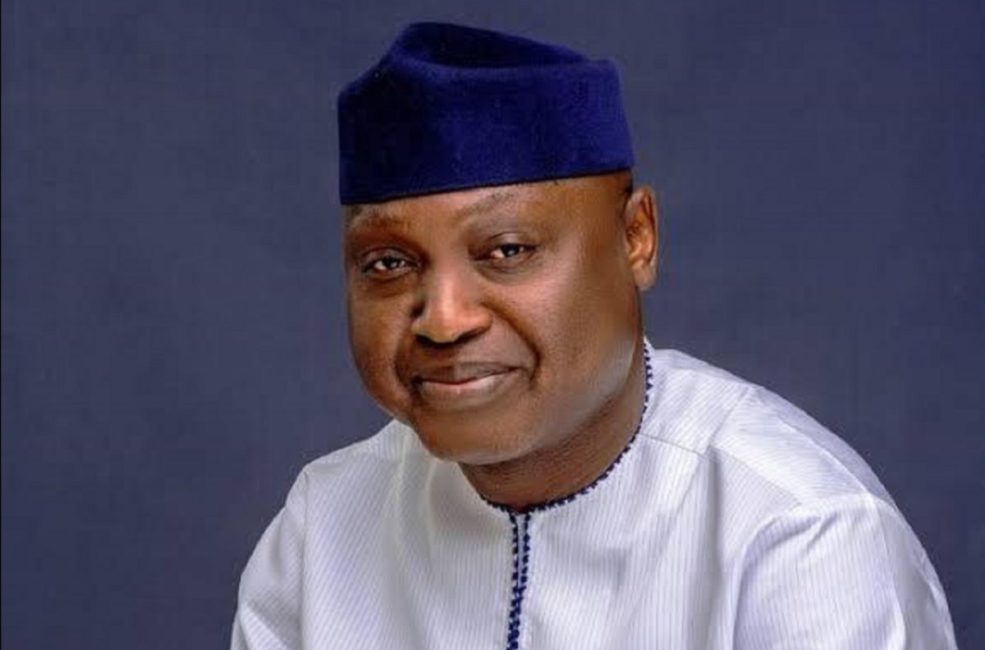
Minister of Finance and Coordinating Minister of the Economy, Taiwo Oyedele, said the lower pump price was a commercial decision by NNPC Retail to sacrifice part of its profit margin and pass the benefit to consumers.
The discount took effect on October 1, 2026, amid renewed debate over whether the Federal Government had quietly returned to subsidising petrol after ending the scheme in 2023.
Oyedele, however, dismissed that interpretation.
“Some commentators have described the discount as a return of fuel subsidy. That is not correct,” he said in a statement on Friday.
According to him, the key difference is who bears the cost.
He explained that a subsidy occurs when government uses public revenue to reduce the price paid by consumers, while a retail discount means the seller accepts a smaller profit margin.
Oyedele said NNPC Retail purchases petrol from the Dangote Refinery and other suppliers at prevailing market prices before adding its retail margin.
“The discount comes out of that margin alone, so the discounted pump price remains market-reflective,” he said.
He stressed that neither the Federal Government’s budget nor the Federation Account was being used to fund the reduction.
Oyedele added that selling crude oil belonging to the Federation below market value would amount to subsidy because the loss would ultimately be borne by public revenue.
Oyedele also dismissed concerns that cutting its retail margin could hurt NNPC Limited’s profitability or reduce dividends accruing to the Federation.
He argued that lower margins could attract more customers and increase overall sales volumes.
“A smaller margin or temporary zero margin on each litre can be more than offset by selling more litres over time,” he said.
According to him, higher sales, stronger customer loyalty and increased market share could eventually translate into higher profits for NNPC Retail and better returns to the Federation.
The minister also played down fears that the discount could distort Nigeria’s downstream petroleum market or encourage petrol smuggling into neighbouring countries.
He said the retail margin represents less than five per cent of the pump price, while petrol prices in neighbouring countries remain about 20 to 40 per cent higher than in Nigeria.
Oyedele acknowledged that fuel costs were still putting pressure on households, businesses, commuters and transport operators.
He said the government was pursuing other measures to reduce the burden without restoring the old subsidy regime.
These include expanding compressed natural gas transportation, granting tax and duty waivers on petrol and eliminating illegal levies that increase transportation costs.
The minister maintained that the government’s position on subsidy had not changed.
Under the NNPC Retail arrangement, he said, the company bears the cost through a reduced retail margin, rather than taxpayers funding cheaper petrol through government revenue.










 English (US) ·