
 1 hour ago
1
1 hour ago
1
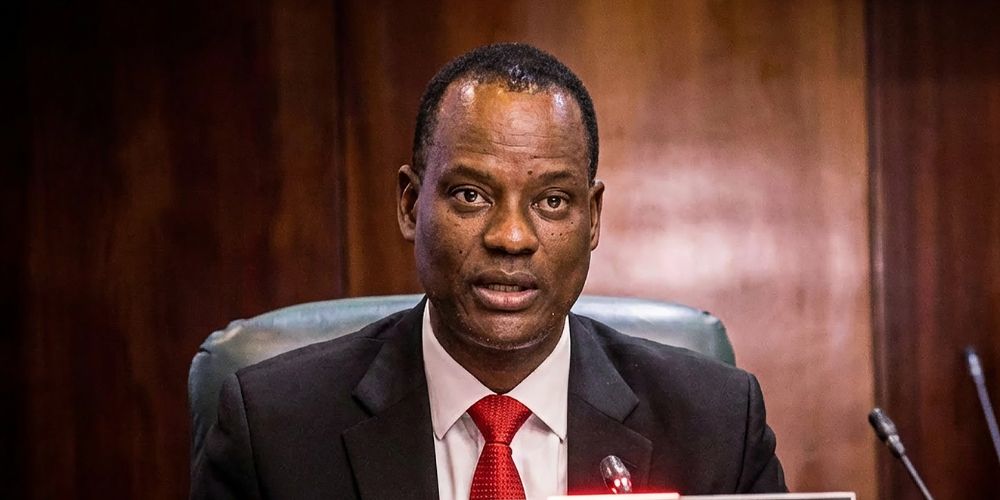 Minister of Finance, Taiwo Oyedele
…Warns Naira Will Crash To N3,000 Per Dollar With Subsidy
The Federal Government has warned that reversing the removal of petrol subsidy could cost Nigeria more than N20tn annually, while exposing the economy to severe fiscal and foreign exchange pressures.
The Minister of Finance and Coordinating Minister of the Economy, Taiwo Oyedele, gave the warning on Thursday while speaking at a press briefing in Abuja on the recent surge in petrol prices and measures being considered by the government to cushion the impact on households and businesses.
Oyedele said the government had no plan to return to the blanket petrol subsidy regime, arguing that such a policy would impose an unsustainable burden on public finances and undermine the economic reforms implemented since 2023.
According to him, bringing petrol prices down to levels that existed before the subsidy removal would require the government to spend more than N20tn every year.
He said fixing the pump price at N500 per litre would also require more than ₦16tn annually in subsidy payments.
The minister warned that the financial implications would go beyond the direct cost of subsidising petrol, as the policy could reduce government revenues, increase borrowing requirements, weaken foreign reserves and place additional pressure on the naira.
Oyedele said the consequences could ultimately result in a much weaker exchange rate and higher petrol prices.
He explained that government estimates indicated that a return to petrol subsidy could push the exchange rate towards N3,000 to the dollar, while petrol could eventually cost at least N2,000 per litre despite the subsidy intervention.
The minister said the current increase in petrol prices was largely linked to developments in the international oil market, particularly disruptions arising from the ongoing conflict in the Gulf region.
He said crude oil prices had risen above $100 per barrel, while the supply of refined petroleum products had tightened in international markets.
According to Oyedele, the external shocks had affected petrol prices across several countries, including Nigeria, where the average pump price had risen from about N830 per litre before the crisis to approximately N1,400.
He acknowledged the hardship caused by the increase, but said the government was focused on providing targeted interventions rather than returning to a system that placed the entire cost of fuel consumption on public finances.
“The cost of fuel is real, and we do not dismiss it,” the minister said, stressing that the government’s objective was to provide relief to vulnerable Nigerians while protecting the gains recorded from the ongoing economic reforms.
Oyedele disclosed that the removal of petrol subsidy had generated N15.8tn for the Federation Account between June 2023 and December 2025.
Of the amount, he said N10.4tn had been distributed to state and local governments.
The minister argued that returning to subsidy would therefore deprive the three tiers of government of significant revenues at a time when they were facing growing expenditure responsibilities.
He said the government’s approach was to ensure that the benefits of increased revenues from subsidy removal were not lost through a return to inefficient and costly consumption subsidies.
Rather than subsidising petrol consumption across the board, Oyedele said the government was working on measures that would directly support vulnerable households, businesses and transport operators.










 English (US) ·