
 2 hours ago
3
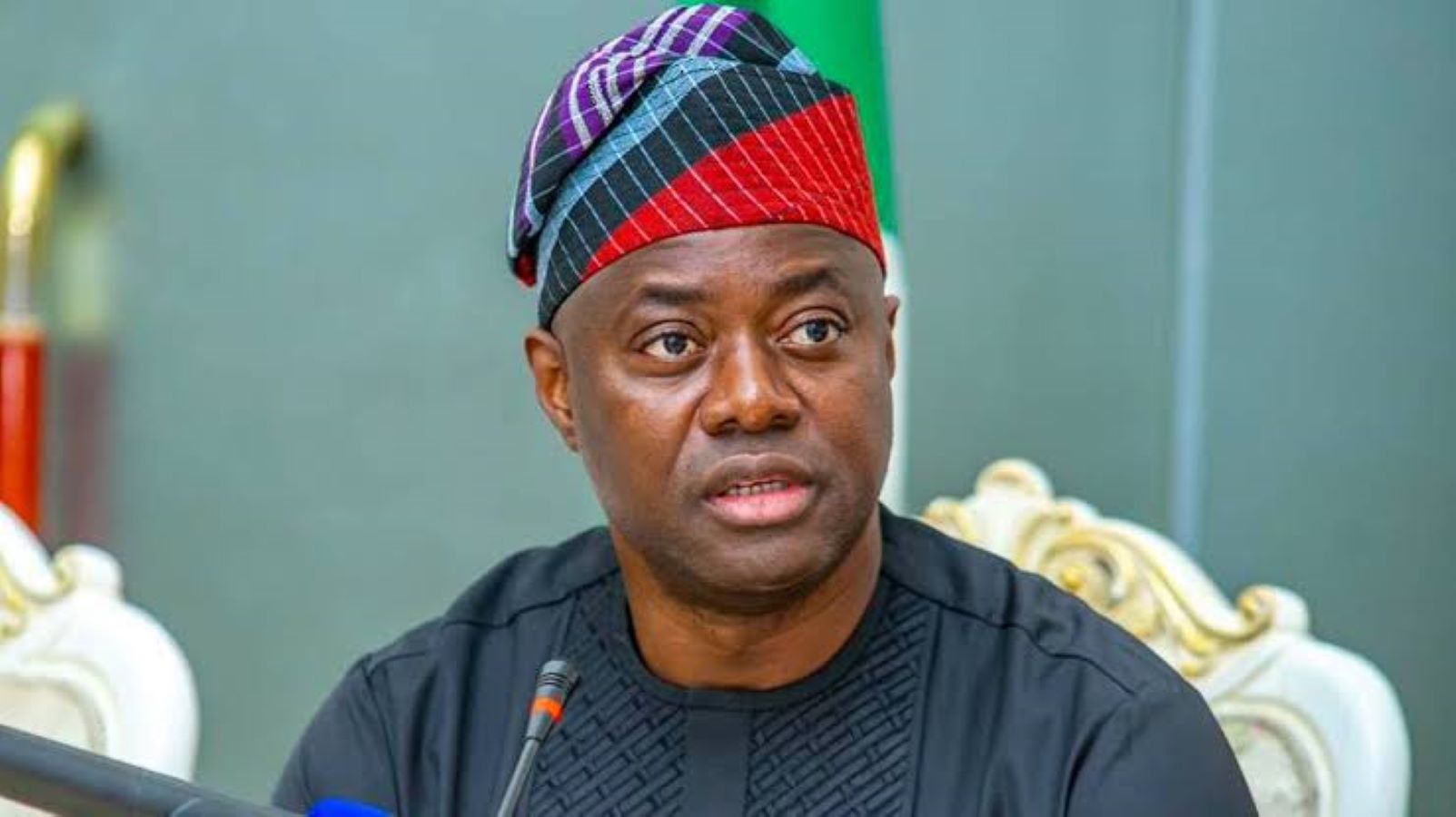
Abia State Governor Alex Otti has urged Igbo entrepreneurs to move beyond traditional business models by embracing modern investment strategies, digital technology and shared ownership to expand their businesses and strengthen Nigeria’s economy.
Otti made the call on Thursday while delivering the maiden Chidi Anyaegbu Public Lecture at Chukwuemeka Odumegwu Ojukwu University, Igbariam, Anambra State.
Speaking on the theme, “Enterprise Across Generations: Merging Indigenous Business Knowledge with Modern Investment Strategies for National Prosperity,” the governor said sole proprietorship, family-funded businesses and heavy dependence on imported goods were becoming inadequate in the face of global competition and technological advancement.
He urged business owners to explore opportunities in the capital market, private investment and other funding mechanisms that would enable them to raise the resources needed to expand their operations.
According to him, opening businesses to external investors would help entrepreneurs overcome the limitations of relying exclusively on personal savings, family contributions and informal sources of finance.
Otti also advocated the integration of digital platforms into traditional trading activities, encouraging traders to combine physical shops and warehouses with online marketplaces to reach more customers.
He proposed the development of a regional digital marketplace connecting traders in Aba, Onitsha, Nnewi, Enugu, Owerri and Abakaliki with customers within and outside the South-East.
The governor said such a platform should provide efficient order fulfilment, secure payment arrangements and prompt resolution of disputes to build confidence among traders and consumers.
He further called for renewed investment in local manufacturing, warning that excessive dependence on imported products could undermine domestic job creation and industrial development.
Otti said the COVID-19 pandemic had demonstrated the risks of relying heavily on foreign countries for manufactured goods, stressing that Nigeria needed to strengthen its productive capacity and prepare for future global disruptions.
“We cannot hope to grow the economy when much of our business success is import-driven,” he said, urging business leaders to redirect attention towards local production and the development of domestic industries.
The governor, however, acknowledged the difficulties associated with manufacturing in Nigeria’s economic environment but maintained that increased local production remained necessary for sustainable growth, employment generation and industrial expansion.
Drawing lessons from the business journey of the lecture’s honouree, Chief Chidi Anyaegbu, chairman of Chisco Group, Otti identified honesty, diligence, trust and customer referrals as essential ingredients for building successful enterprises.
He said Anyaegbu’s rise from humble beginnings to establishing a business group with interests in transportation, logistics, real estate, hospitality, and oil and gas demonstrated the importance of perseverance, integrity and consistent service delivery.
According to Otti, the entrepreneur’s experience also highlights the value of good parental upbringing, apprenticeship and mentorship in preparing younger generations for business leadership.
He urged aspiring entrepreneurs to embrace hard work, humility, delayed gratification and continuous learning rather than seeking quick profits or public recognition.
The governor also called for the preservation of the Igbo apprenticeship system, popularly known as igba boi, describing practical training and the transfer of business knowledge as important tools for sustaining entrepreneurship across generations.
He cautioned that technology, despite its growing importance, could not replace the personal commitment required to build customer relationships, negotiate business deals and establish trust.
On the role of government, Otti rejected the argument that government had no business supporting businesses, saying public authorities must provide an enabling environment without directly managing private enterprises.
He identified good roads, reliable infrastructure, security, grants, low-interest loans, tax incentives and shared facilities for manufacturers and artisans as measures governments could adopt to stimulate economic growth.
The governor said his administration had prioritised infrastructure rehabilitation, security and improved conditions for businesses in Abia State.
He also claimed that the state had increased internally generated revenue by more than 200 per cent within two years without changing the pre-2023 fee structure for many government services.
Otti recalled that his administration introduced a tax holiday for small-scale businesses in June 2023, during which informal business operators were exempted from collections for about six months.
He added that the state had harmonised its tax structure to address double taxation and other forms of extortion.
According to him, the government’s objective was to create an environment in which entrepreneurs could grow their businesses and contribute to economic development.
The governor said the experience of Chisco Group demonstrated that entrepreneurs needed a supportive business environment to succeed, rather than dependence on government handouts.
The lecture also celebrated Anyaegbu’s 70th birthday and highlighted his contributions to Nigeria’s transportation and business sectors.
Otti commended the organisers of the lecture series for promoting the documentation of indigenous entrepreneurial achievements, noting that inadequate records of past business leaders had limited the transmission of their experiences and values to younger generations.
He also praised the authors and editors of a book on Anyaegbu’s life and business journey, titled “Platinum Footprints of Enterprise: The Life, Leadership, and Legacies of Chief Dr Chidi Anyaegbu.”
The governor said documenting the experiences of successful entrepreneurs would provide valuable lessons for future business leaders and strengthen understanding of the role of indigenous enterprise in national development.
He urged Igbo business leaders to preserve the strengths of traditional entrepreneurship while adapting to changing market conditions, technology and modern investment practices.














 English (US) ·