
 2 hours ago
2
By Linda Ikeji 6 November 2026, 5:22 pm
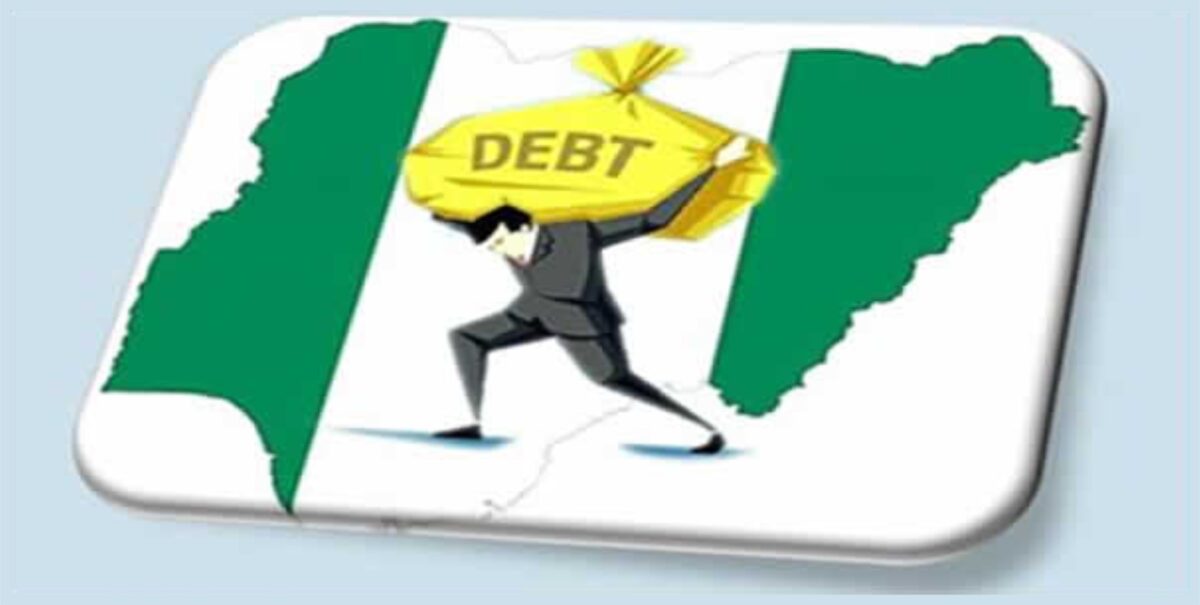
Nigeria’s external debt rose to $145.015 billion in 2025, up 6.6 per cent from the previous year, according to the World Bank’s International Debt Report 2026. The figure represents an increase of about $61.8 billion, or 74.3 per cent, from the $83.213 billion recorded in 2015.
Public and publicly guaranteed debt accounted for $62.4 billion of the total. Private debt without government guarantees stood at $54.476 billion, while short-term external debt amounted to $28.139 billion.
Multilateral institutions held the largest share of Nigeria’s public and publicly guaranteed external debt at $31.365 billion. Private creditors accounted for $24.352 billion, while bilateral creditors were owed $6.683 billion.
The World Bank’s International Development Association accounted for $18.533 billion of the multilateral debt. International Monetary Fund Special Drawing Rights allocations stood at $5.516 billion. China remained Nigeria’s largest bilateral creditor, with $5.672 billion owed. France accounted for $774 million, while other bilateral creditors held $237 million.
Although the debt stock increased, Nigeria recorded improvements in two indicators measuring its external debt burden. External debt relative to exports declined by 4.3 per cent to 212 per cent, while the debt-to-Gross National Income ratio fell by 6.6 per cent to 51 per cent.
Debt servicing, however, took a larger share of exports and national income. External debt service relative to exports rose by 9.6 per cent to 19 per cent, while debt service as a proportion of Gross National Income increased by 6.9 per cent to five per cent.
Across low- and middle-income countries, debt-service payments reached $1.4 trillion in 2025, marking a fifth consecutive annual increase. The World Bank said payments rose by 1.9 per cent, largely because of obligations to private creditors, particularly international bondholders. Between 2022 and 2025, countries covered by the report paid approximately $436.1 billion more in debt servicing than they received in new financing.
The annual trend reversed in 2025, when long-term debt flows recorded a net inflow of $45.4 billion, compared with a net outflow of $118.4 billion in 2024. The report also highlighted a substantial difference in the cost and terms of borrowing from official and private creditors.
New commitments from official creditors carried an average interest rate of 1.9 per cent in 2025, with a 25-year maturity and a five-year grace period. Private creditors, by comparison, charged an average interest rate of 9.6 per cent, with a 12-year maturity and an eight-year grace period.













 English (US) ·