
 1 hour ago
1
1 hour ago
1
By Philip Yatai
Inner Wheel District 910, Nigeria, an NGO, says building resilient communities in the country largely depend on empowering rural women, educating girls and strengthening strategic partnerships with traditional institutions.
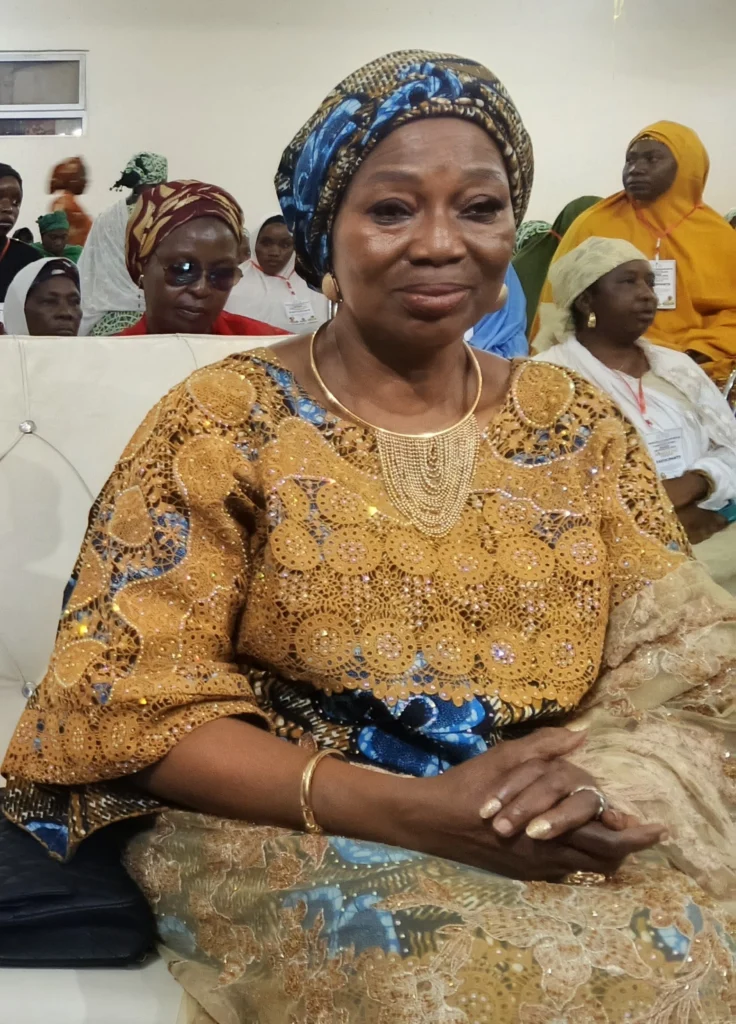
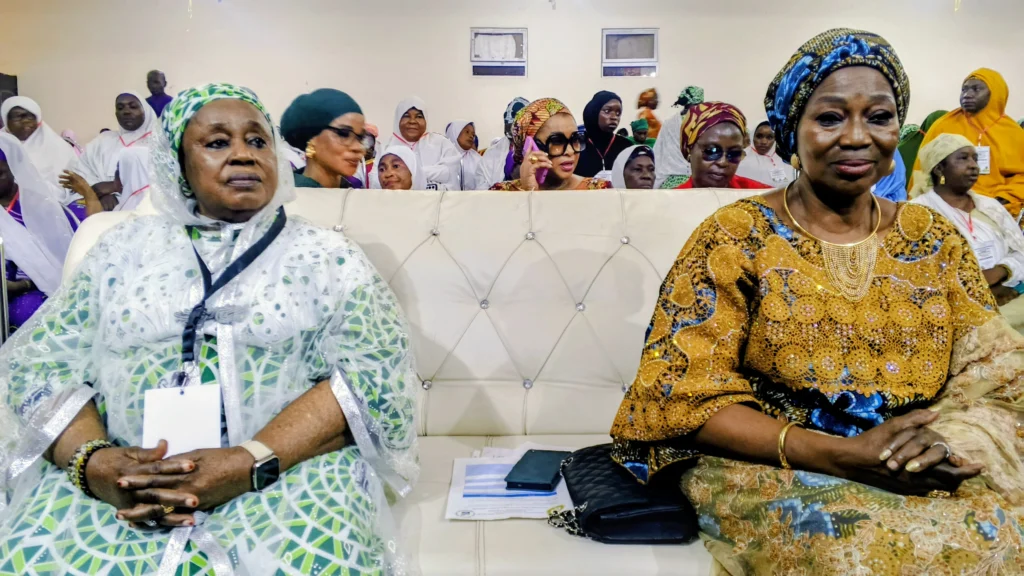
The District Chairman, Dr Fehintola Adeseun, said this on Wednesday in Abuja at a symposium organised to commemorate the 2026 International Rural Women’s Day.
The symposium was organised by the Association of Wives of FCT Traditional Rulers in collaboration with the FCT Women Affairs Secretariat.
Adeseun emphasised the vital role rural women play in driving socioeconomic progress and sustaining families, urging stakeholders to take practical steps towards achieving meaningful change.
She called on government, traditional institutions and civil society organisations to stop waiting for change and instead become catalysts for transformation.
“We are not merely waiting for change; we are the change-makers!” she said.
She said rural women formed the backbone of local economies and social cohesion, working tirelessly on farms, managing small businesses, raising families and preserving cultural heritage.
“In spite of these immense contributions, many rural women continue to encounter severe structural barriers, including restricted access to schooling and vocational skill-building.
“There is also the problem of inadequate medical infrastructure in remote areas, restricted access to credit, capital, and agricultural inputs and exclusion from formal leadership and community policy discussions.
“Empowering rural women is not merely an act of kindness; it is an investment in the future of our communities and our nation,” she said.
Adeseun underscored the unique position of traditional rulers’ wives, noting that their roles as trusted custodians of culture and influential community figures could drive transformative social change.
She said their priorities should include keeping girls in school, promoting equal educational opportunities, encouraging women to build sustainable livelihoods and businesses, resolving disputes and fostering harmony within communities.
“When a Queen speaks in support of education, the girl child listens; when she advocates for women’s empowerment, the community takes notice; when she promotes peace, her influence helps prevent conflicts and strengthen unity,” she said.
Adeseun explained that Inner Wheel was founded in Manchester, England, in 1924 by Margarette Golding.
She added that the organisation had grown into one of the world’s largest international women’s voluntary organisations, operating in more than 100 countries with nearly 120,000 members.
In Nigeria, Adeseun said Inner Wheel District 910, which covers the FCT and parts of Niger, Kogi and Nasarawa states, had established a strong record of community interventions through nine active clubs and 160 members.
“On economic empowerment, the organisation has provided more than 1,000 women with sewing machines, grinding machines, farming equipment, fertilisers and business grants to boost their livelihoods.
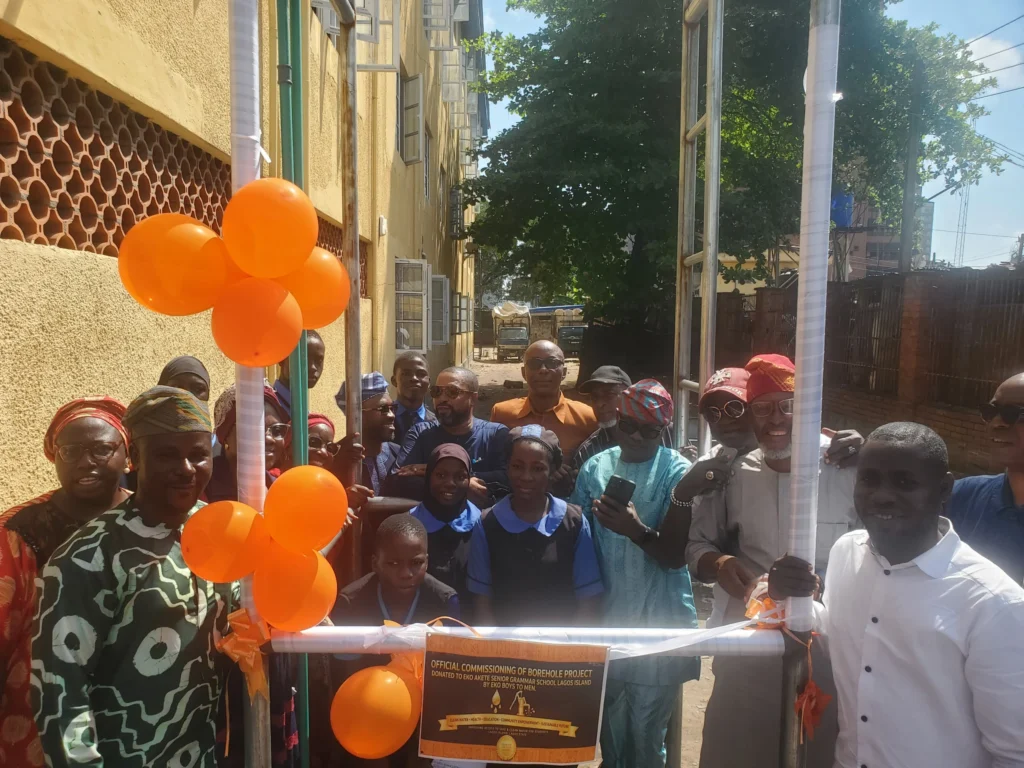
“We also executed borehole projects to improve clean water access in FCT communities such as Kubwa, Takusara, Waru, Apo, Gui, Kuchiako, and Shape.
“On education, we have built classrooms, administrative blocks and a library in Kuchiako and the Karamaijiji Disability Community, ensuring support for children with disabilities and the elderly.
“We have also commenced construction of a multi-purpose Skills Acquisition Centre in Karshi to offer ongoing vocational training for women and youth,” she said.
Adeseun emphasised that sustainable development could not be achieved by any single organisation working in isolation, calling for stronger collaboration among traditional rulers, public agencies, private enterprises and community-based organisations.
She urged stakeholders to regard rural women not merely as beneficiaries of assistance but as active partners in developing policies and solutions that addressed their needs.
“Let us ensure that rural women are active participants in identifying their needs, shaping policies, and implementing solutions.
“Their voices must be heard, their contributions recognised, and their potential fully harnessed,” she said.(NAN)
Edited by Abiemwense Moru









 English (US) ·