
 2 hours ago
1
By Ibironke Ariyo
The Chief Judge (CJ) of the Federal Capital Territory (FCT), Justice Husseini Baba-Yusuf, has called for regular capacity-building programmes for magistrates to strengthen the administration of justice in traffic-related offences.
Baba-Yusuf made the call on Wednesday in Abuja at a capacity-building workshop on the role of Mobile Courts and the Judiciary in Federal Road Safety Corps (FRSC) traffic law enforcement.
The News Agency of Nigeria (NAN) reports that the training of Magistrates in FCT on Mobile Court procedures was organised by the FRSC.
The CJ, who was also invested as an Honourary Special Marshal of the FRSC, said regular training would enhance magistrates’ understanding of road traffic laws and the operational challenges faced by the Corps.
He said a better understanding of the FRSC’s responsibilities and the legal framework governing traffic regulation would enable judicial officers to make more informed decisions when handling traffic-related cases.
According to him, the workshop provides an opportunity for members of the Judiciary and FRSC personnel to interact, understand their respective roles and strengthen collaboration in the administration of traffic justice.
Baba-Yusuf noted that the FRSC was a major stakeholder in traffic regulation across the country, making its relationship with the Judiciary particularly important.
He urged the organisers to make the programme a regular feature, noting that continuous training and professional engagement were essential to improving service delivery and strengthening institutional capacity.
He also commended the Corps Marshal, Malam Shehu Mohammed, for what he described as increased visibility of the FRSC’s activities since assuming leadership of the organisation.
The CJ attributed the Corps’ visibility to determination and a results-oriented approach, expressing confidence in the leadership’s efforts to sustain the organisation’s performance.
He further expressed his special regard for the FRSC, describing it as one of the law enforcement agencies he held in high esteem because of its commitment to enforcing traffic laws.
Baba-Yusuf said the Corps’ enforcement activities helped promote discipline among motorists and encouraged compliance with vehicle and road safety requirements.
He added that the FRSC’s commitment to traffic law enforcement was important in addressing road safety challenges and ensuring that motorists observed the relevant regulations.
The CJ acknowledged the difficulties associated with law enforcement, noting that the effective discharge of responsibilities required adequate resources and adherence to established laws and regulations.
He stressed that the workshop should go beyond a ceremonial gathering, urging participants to take full advantage of the experience and knowledge of the resource persons to deepen their understanding of traffic-related issues.
Baba-Yusuf expressed the hope that the sessions would encourage meaningful discussions and interactions, leading to improved knowledge and better administration of justice in traffic offences.
He thanked the FRSC leadership, particularly the Corps Marshal and his team, as well as the organisers, for the honour and their contributions to professional training and institutional collaboration.
Justice Baba-Yusuf reaffirmed the importance of sustained cooperation between the Judiciary and the FRSC in strengthening traffic law enforcement and promoting safer roads in Nigeria.
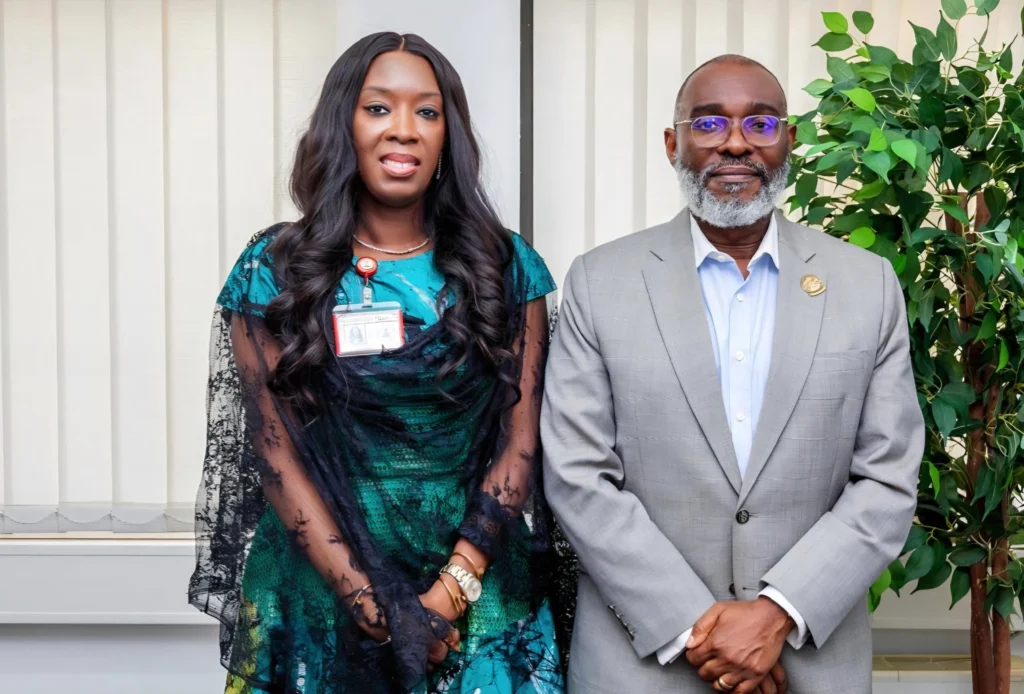
In his remarks, the Corps Marshal said the honour was in recognition of the Chief Judge’s contributions to promoting safer roads in Nigeria and his commitment to road safety ideals.
Mohammed expressed confidence that the investiture would further strengthen the partnership between the FRSC and the Judiciary in advancing road safety objectives.
The Corps Marshal appreciated the Chief Judge and members of the Judiciary for their continued support and collaboration with the Corps.
He also thanked the facilitators and participants for their contributions to the initiative.
The FRSC boss expressed optimism that the deliberations would produce outcomes that would enhance institutional cooperation, strengthen traffic law enforcement and improve road safety across the country.(NAN)
Edited by Sadiya Hamza






 English (US) ·